

Services
Women’s Health & Pelvic Health Physiotherapy
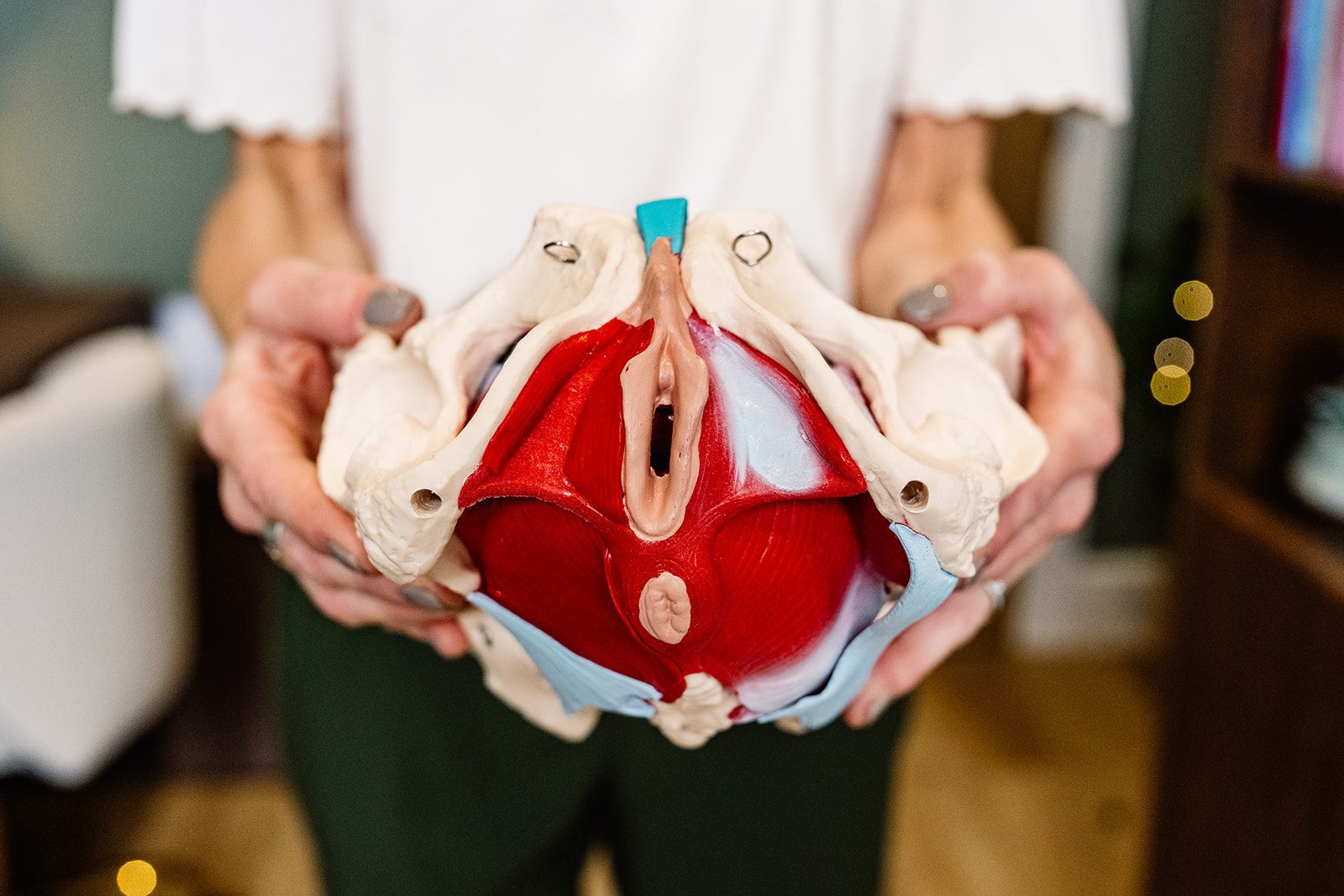
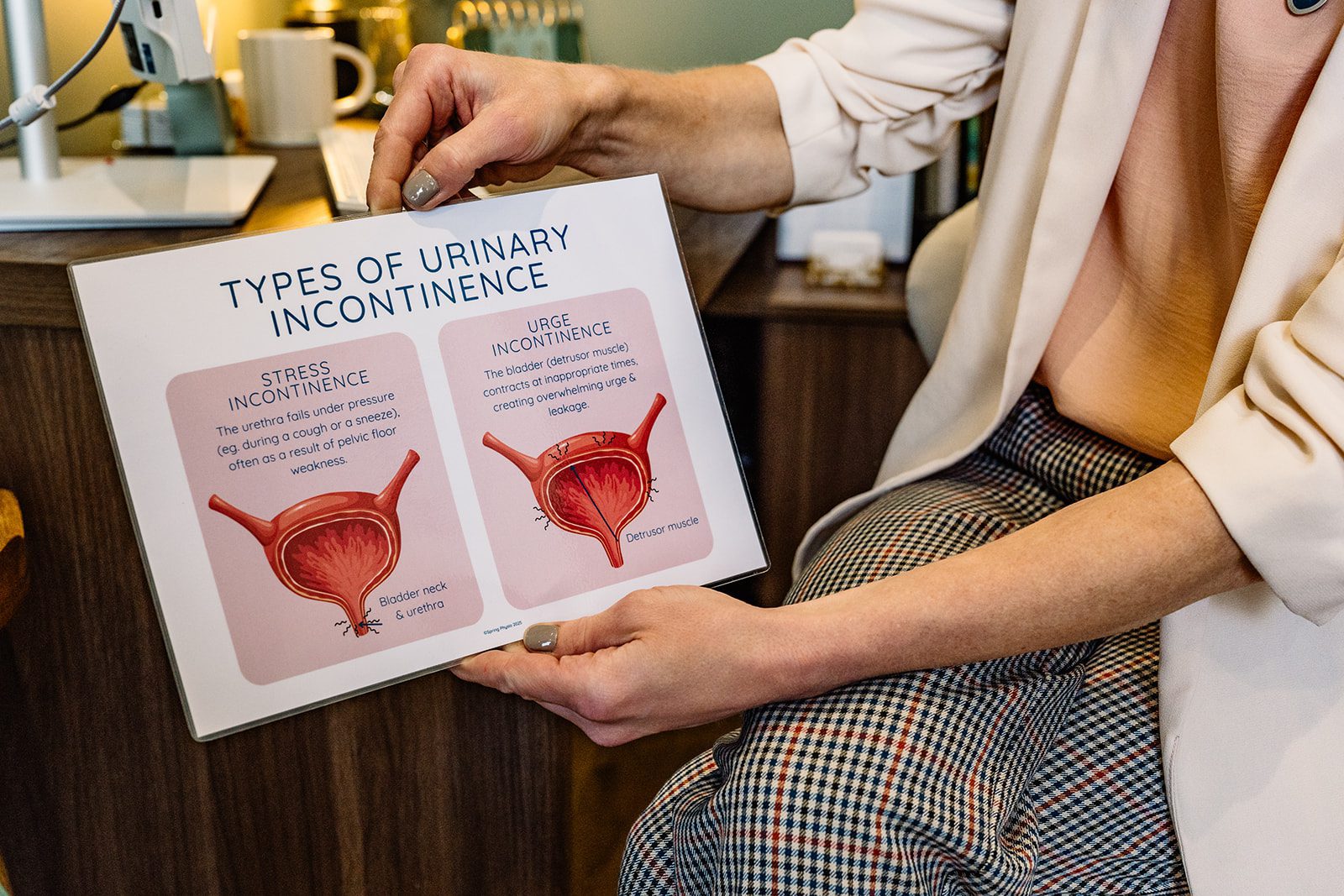

Specialist physiotherapy for pelvic health concerns
At Embody Physiotherapy & Pelvic Health, appointment times are extended to ensure quality care and to give you the space to talk openly, ask questions, and feel supported throughout.
It is important that you leave with a better understanding of your symptoms, your body, and the strategies you can use to help yourself.
Roughly 1 in 3 women experience urinary incontinence three months after pregnancy, and around 1 in 7 experience anal incontinence six months after birth. One in 12 women report symptoms of pelvic organ prolapse, which is when one or more of the organs in the pelvis slip down from their normal position and bulge into the vagina.
These distressing issues can affect women’s ability to work, their sexual and social relationships, and their mental health. (GOV.UK, 2023)
Women’s health and pelvic health concerns are common, but that does not mean you have to live with them.
Pelvic health physiotherapy offers specialist assessment and treatment for a wide range of symptoms that can affect comfort, confidence, and quality of life.
What can pelvic health physiotherapy help with?
-
- Bladder symptoms, including stress urinary incontinence or urgency/frequency
- Recurrent urinary tract infections
- Bowel symptoms
- Pelvic organ prolapse
- Pelvic pain
- Pregnancy-related pelvic or back pain
- Postnatal pelvic floor concerns
- Sexual dysfunction
- Post gynaecological surgery rehab
What to expect
Your initial appointment includes a detailed discussion of your symptoms and goals, followed by a thorough assessment. Where appropriate, this may include a pelvic floor examination, which is always explained clearly and carried out with consent, privacy, and dignity.
You’ll leave with a personalised treatment plan, practical guidance, and a better understanding of your symptoms and your body.
Treatment options
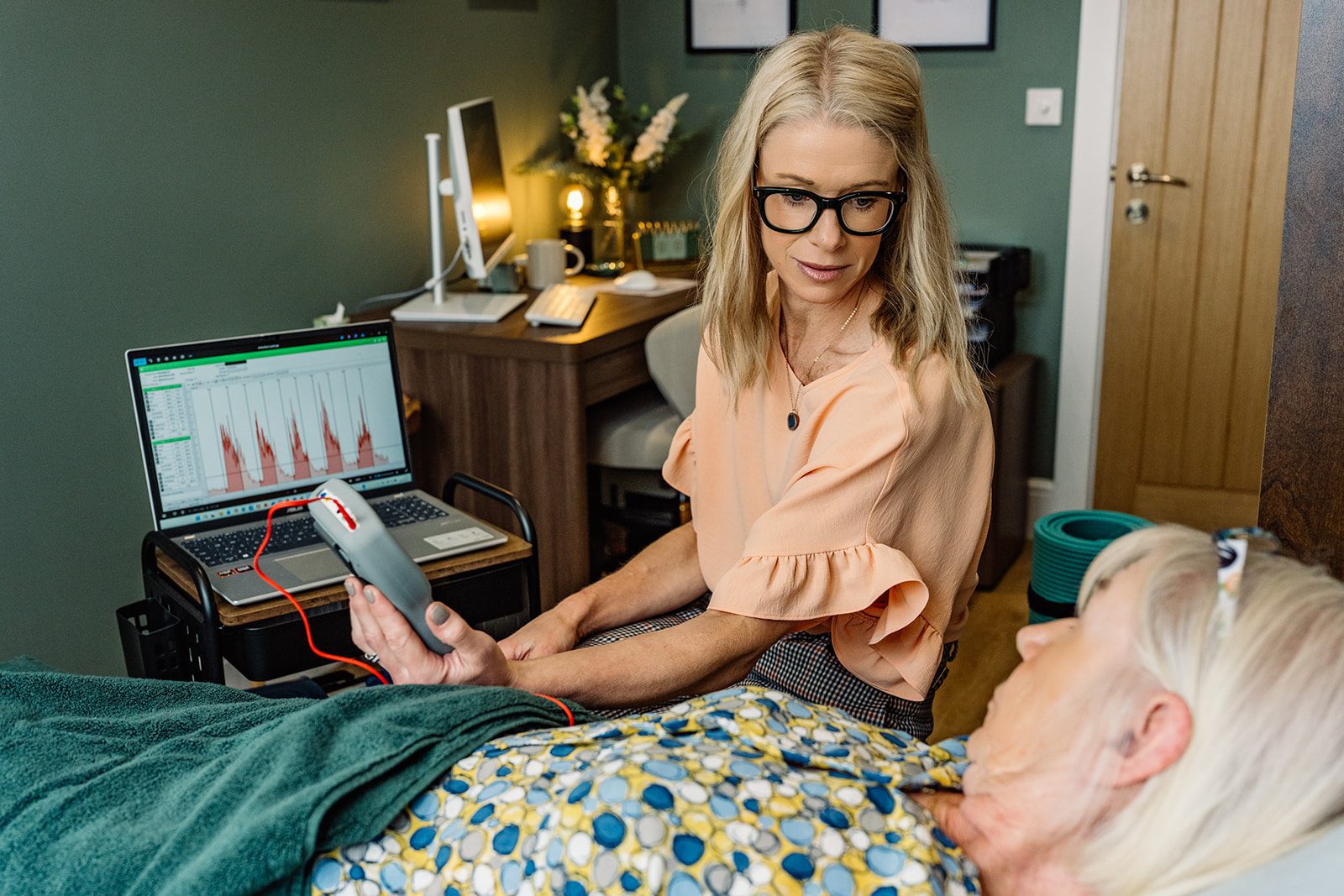
EMG biofeedback is a valuable treatment option used at Embody Physiotherapy & Pelvic Health to help improve awareness, strength, and coordination of the pelvic floor muscles. Using the Myoplus Pro 2 biofeedback system, gentle sensors on a small vaginal probe provide real-time visual feedback, allowing you to see how your pelvic floor muscles are working during rest, contraction, and relaxation. This can be particularly helpful if you’re unsure whether you’re contracting correctly, finding it difficult to relax the pelvic floor, or working towards specific strength or control goals. EMG biofeedback also allows progress to be monitored objectively over time, supporting a personalised and effective rehabilitation programme.




What is a Mummy MOT®?
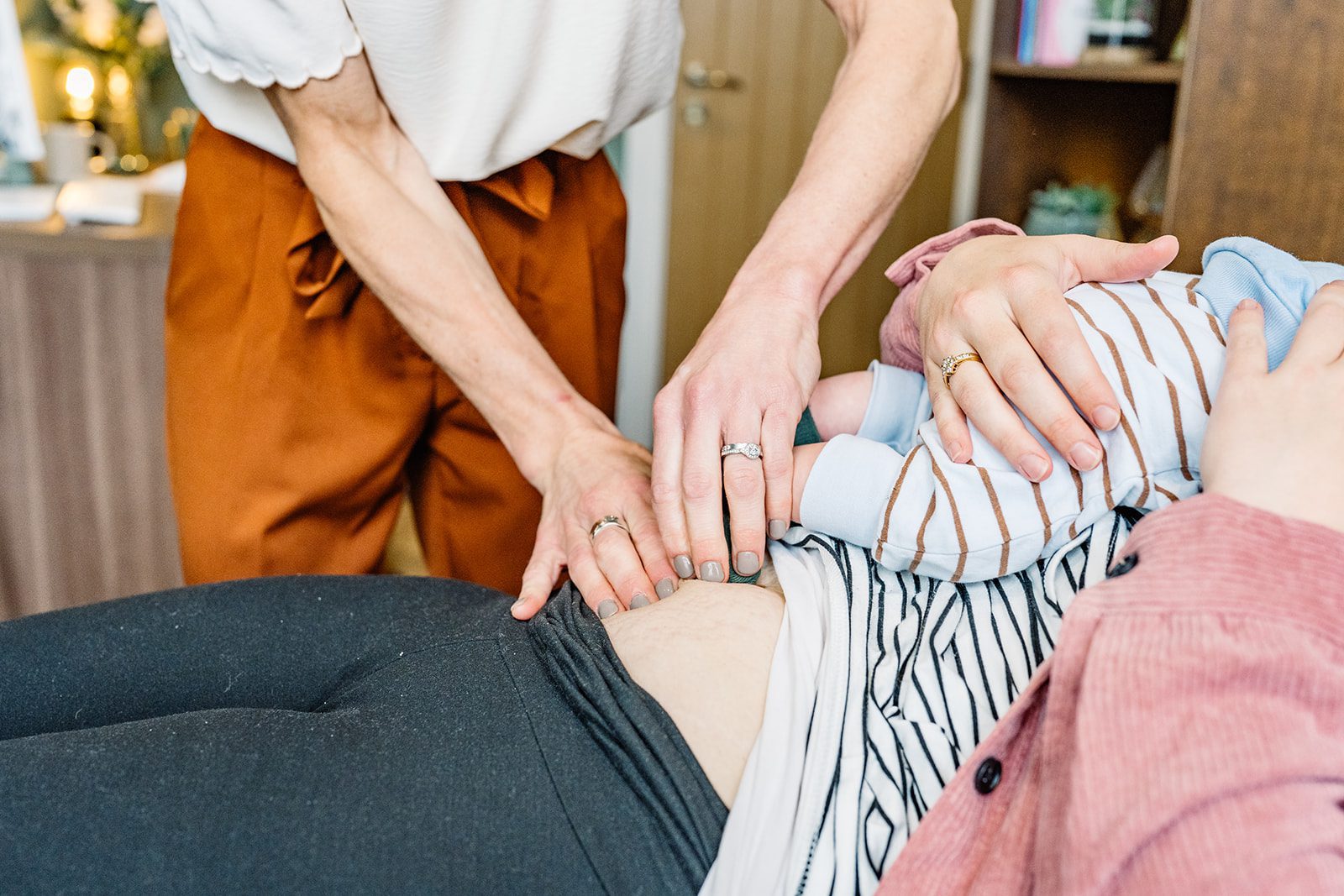
The Mummy MOT® is a detailed postnatal assessment carried out by a specialist pelvic health physiotherapist. It is recommended from around 6–8 weeks postnatal, but it is never too late to benefit from an assessment and is appropriate following both vaginal delivery and c-section.
Whether you’ve had a straightforward delivery or a more complex birth experience, we provide individualised advice and treatment to address issues such as back pain, pelvic discomfort, separation of tummy muscles, and incontinence.
Mums need to bend, lift, squat and twist, and it is important to prioritise your recovery so that you can look after your baby.
What does the assessment involve?
Your appointment is up to 90 minutes where we will take an in-depth look at:
-
- Your posture, movement, and overall strength
- Your abdominal muscles, including any separation — tummy gap
- Your pelvic floor function, with an internal assessment offered where appropriate and with consent
- Your breathing and core coordination
- Any concerns with bladder, bowel, or sexual function
- How your body manages everyday activities such as lifting, bending, and carrying your baby
What will you gain from your session?
Following your assessment, you will receive:
-
- A clear explanation of how your body is recovering
- A personalised rehabilitation programme tailored to your lifestyle and goals
- Practical advice for daily activities like lifting and carrying
- Guidance on returning to exercise safely and confidently
Being a new Mum is demanding and can feel overwhelming at times.
I offer extended appointments so that we have time to discuss all your concerns, and we can focus on education as well as treatment.There is no pressure to “bounce back” and it is important to prioritise your recovery so that you can look after your baby.
Menopause MOT

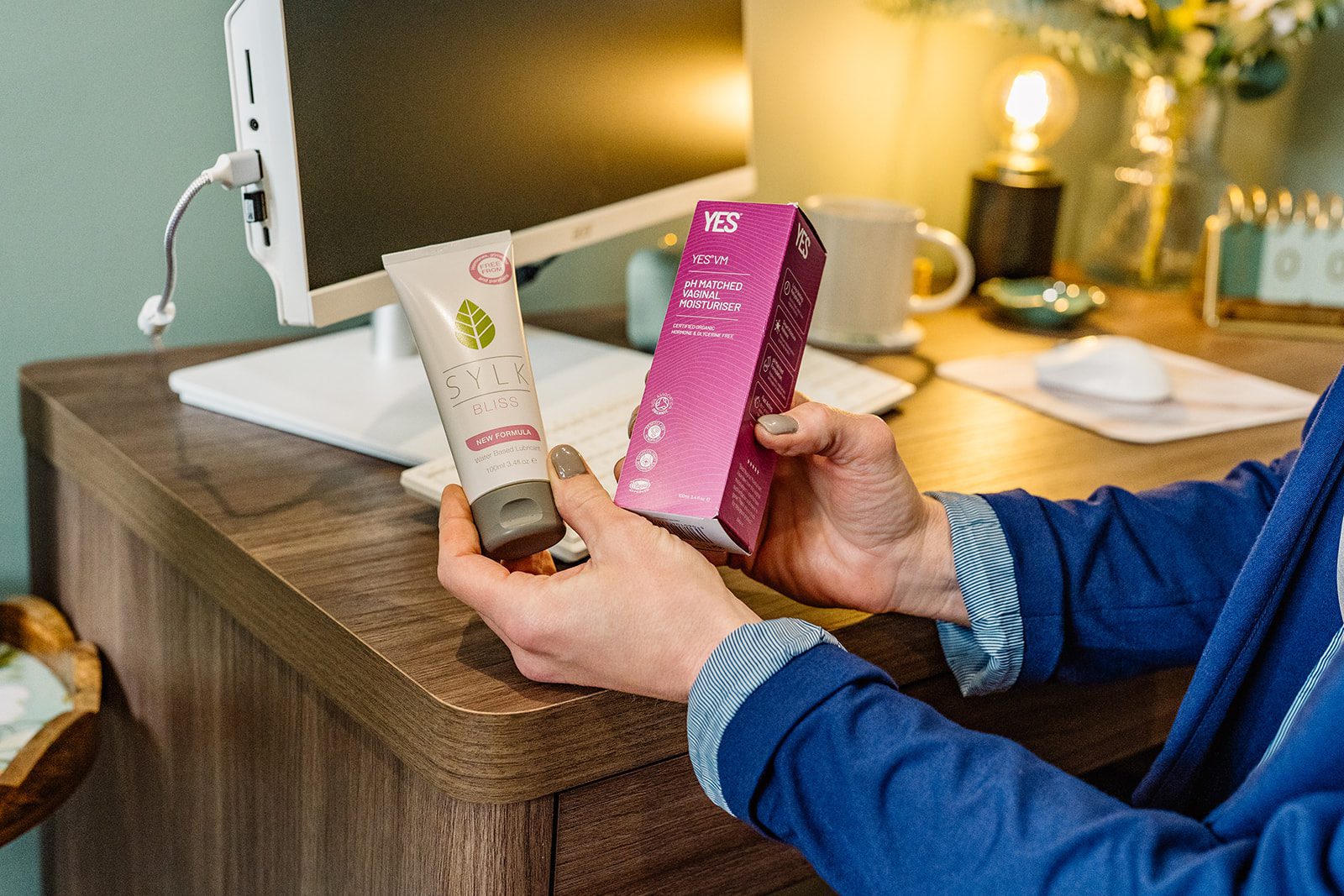


What is a Menopause MOT?
A Menopause MOT is a dedicated physiotherapy assessment designed to support you through the changes that can occur during perimenopause and menopause.
Appointments are extended to ensure you have time to discuss your symptoms, concerns and goals in a relaxed environment.
We will work collaboratively so that treatment and advice is individualised to you. Together, we will implement a practical plan to help you feel stronger, more confident and more empowered to navigate this stage of life.
A Menopause MOT may explore:
-
- Pelvic floor changes
- Bladder or bowel symptoms
- Joint or muscle pain
- Changes in posture, strength, or movement confidence
- How symptoms are impacting daily life
- Vaginal and hormonal health
- Diet, sleep and exercise advice
Pessary Assessment & Fitting
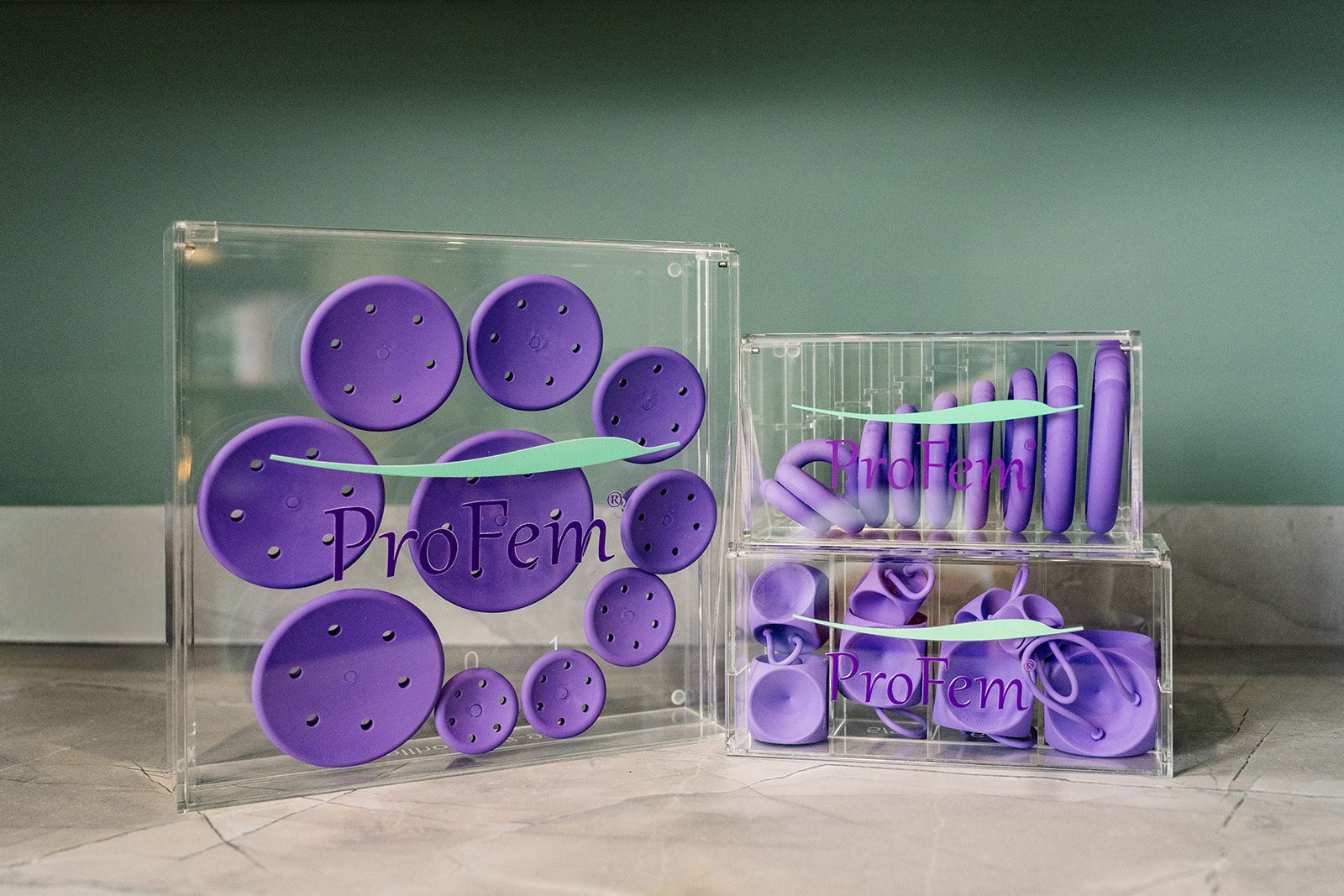


Specialist support for prolapse and bladder symptoms
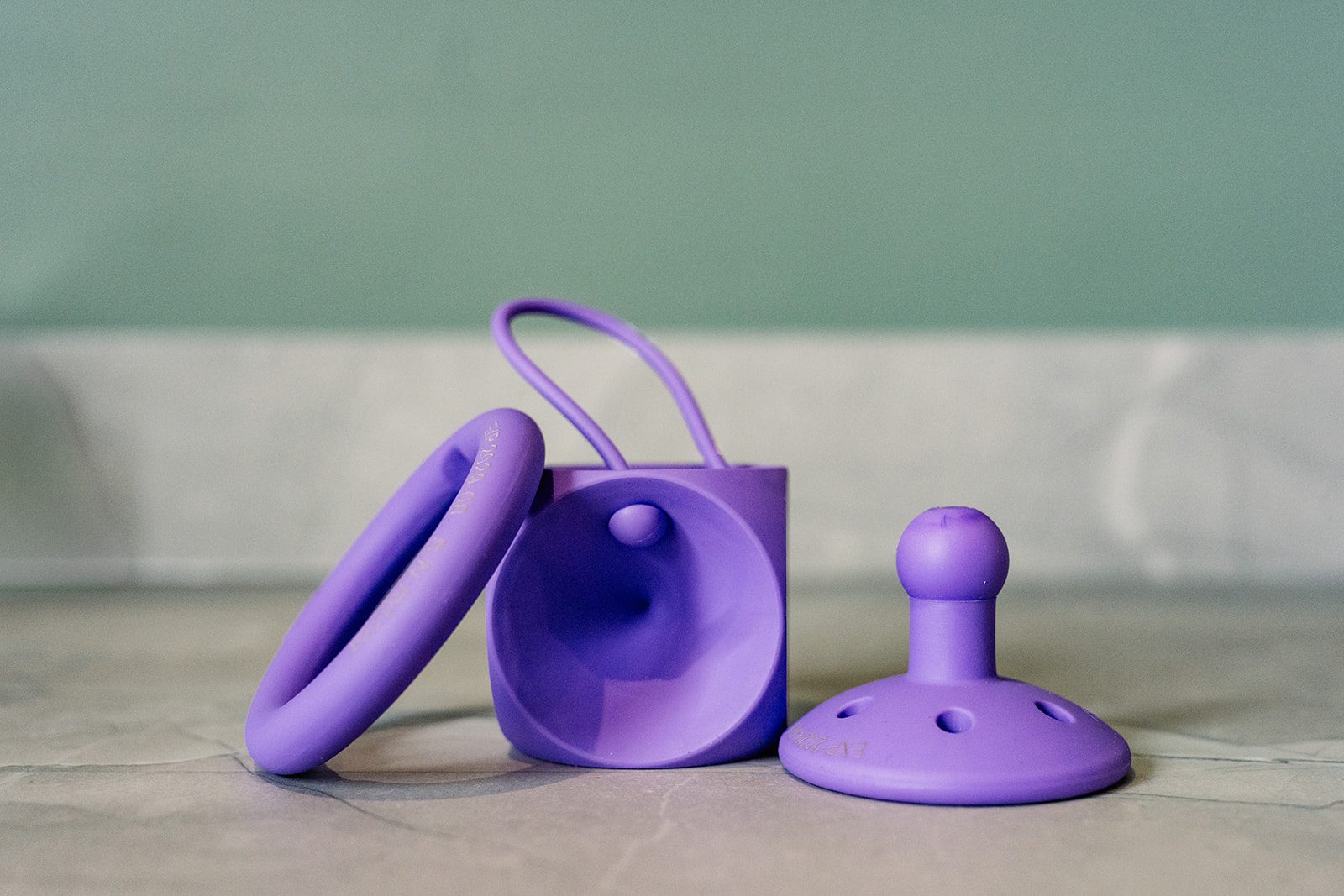
A pessary is a small, soft silicone device that sits inside the vagina to provide support for pelvic organ prolapse and, in some cases, stress urinary incontinence. For many people, a pessary can significantly reduce feelings of heaviness, bulging or discomfort, helping you feel more confident during day-to-day activities or exercise without the need for surgery.
Pessary fitting requires a specialist assessment to determine suitability, comfort and the most appropriate option for you.
Who might benefit from a pessary?
-
-
- If you experience a vaginal bulge or feeling of heaviness
- If prolapse symptoms are affecting daily life or exercise
- If you are looking for a non-surgical management option
- If you would like additional support alongside pelvic floor rehabilitation
-
What does a pessary assessment involve?
Your appointment may include:
-
-
- A discussion about your symptoms, lifestyle and daily activities
- A detailed pelvic health assessment, usually including a vaginal examination
- Exploration of different pessary options
- Pessary fitting
- Education around pessary use, with the option to learn self-management if you wish
-
Appointments are carried out sensitively and at your pace, with clear explanations throughout.
What to expect at your appointment
Pessary fitting is not a “one-size-fits-all” process. Everyone’s anatomy, symptoms and lifestyle are different, which is why appointments are thorough and individualised.
Your appointment will begin with time to talk through your symptoms, concerns and goals. If appropriate, this will be followed by a vaginal assessment to understand the type and degree of prolapse and how your pelvic floor muscles are working. From there, we can trial different pessary shapes and sizes to find an option that feels comfortable and supportive for you.
Once a pessary is in place, we’ll check how it feels while you’re upright and moving, including walking, standing and gentle functional movements. We want to make sure it remains comfortable and effective during everyday life. The correct pessary will then be ordered for you.
If you would prefer to self-manage your pessary, you will be shown how to remove, insert and care for it yourself, allowing you to manage it confidently and independently. However, self-management is not essential, and pessary care can also be provided for you at Embody Physiotherapy as part of follow-up appointments.
Pessaries often work best alongside pelvic floor physiotherapy. Treatment may also include personalised pelvic floor exercises, guidance on movement and breathing, bladder and bowel advice, and support with returning to activities you enjoy.
Ongoing support
Whether you choose to manage your pessary yourself or not, it is important to attend a Pessary Check appointment every 4–6 months. These appointments help ensure the pessary continues to fit well, remains effective and allows monitoring of vaginal tissue health.
At each follow-up appointment, we will:
-
-
- Check the fitting of the pessary
- Assess the health of the vaginal tissues (including a speculum examination where appropriate)
- Clean your pessary using an ultrasonic bath
-
Scar Therapy (C-Section / Post Gynae Surgery)
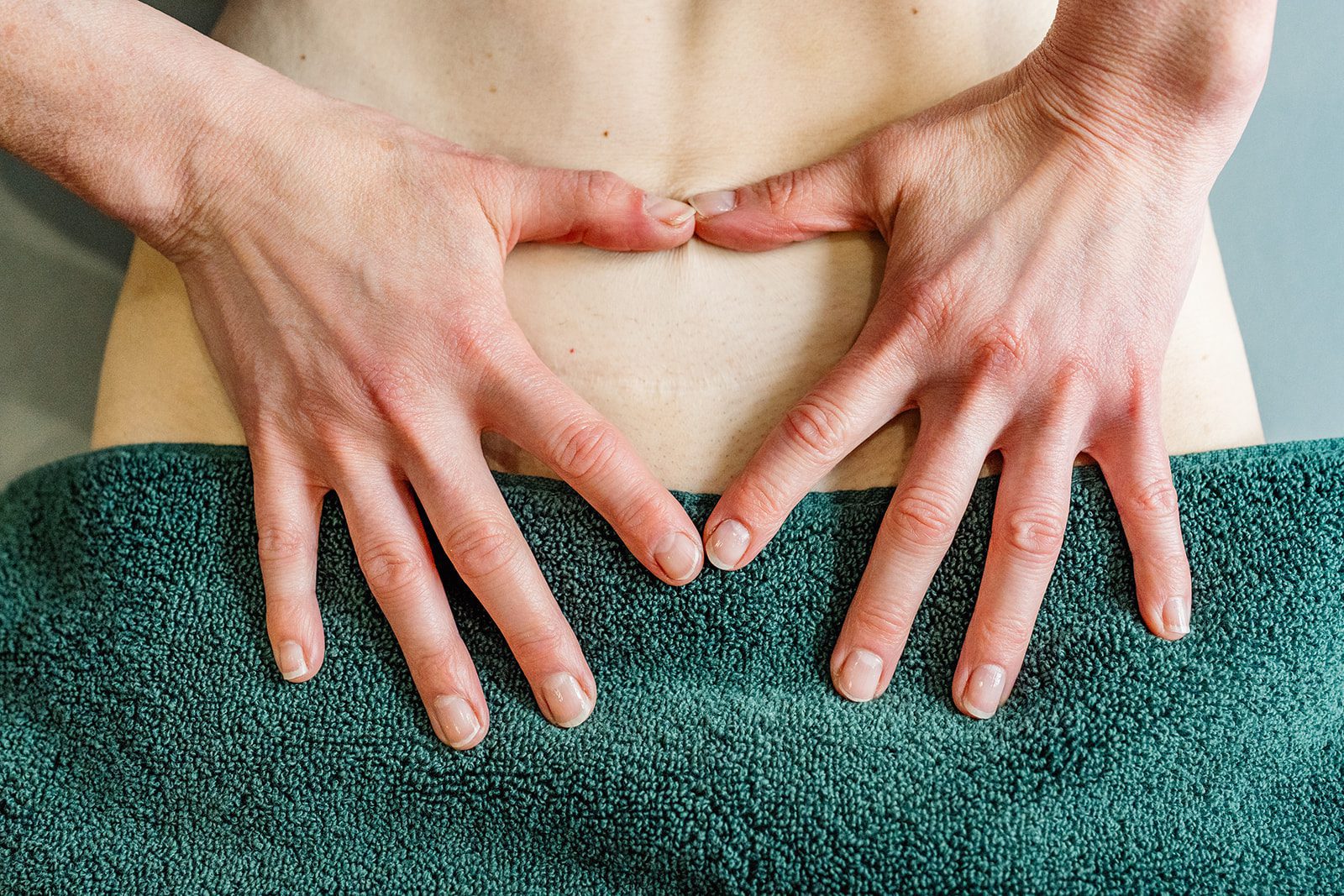
A caesarean section is major abdominal surgery. While the scar on the skin may appear healed within weeks, the deeper tissues can continue healing for many months. For some women, scar tissue can contribute to feelings of tightness, discomfort, numbness, sensitivity, pulling sensations, abdominal weakness, pelvic floor symptoms, difficulty returning to exercise or wearing certain clothes.
We know that a scar can have an impact both physically and emotionally, whether you were expecting to have c-section or not.
How Scar Therapy May Help
-
- Reduce feelings of tightness, pulling or restriction around the scar
- Improve the mobility of the scar and surrounding tissues
- Decrease sensitivity, numbness, itching or discomfort
- Support abdominal wall recovery and body awareness
- Improve comfort during movement and exercise
- Help restore confidence in your postnatal body
- Address symptoms that may persist months or even years after birth
Common Concerns We Can Help With
-
- Tightness or pulling around your scar
- An “overhang” or “shelf” above the scar
- Sensitivity or discomfort when clothing rubs
- Numbness or altered sensation
- Difficulty engaging your abdominal muscles
- Feeling disconnected from your tummy or avoiding looking at/touching your scar
- Concerns about the appearance of your scar
When Can Scar Therapy Begin?
Scar therapy can usually begin once your wound is fully healed, which is usually around 6 weeks. It is never too late to seek help even if your C-section was years ago, treatment may still provide significant benefits.
What to Expect
At your scar therapy appointment, we will take time to listen to your birth story, really understand the impact that your scar is having on you, and together, formulate a treatment plan to help you recover from pregnancy and birth.
Your appointment will include a detailed assessment of your scar, abdominal wall, breathing, posture and movement. You’ll also receive advice and simple techniques to continue at home.
Musculoskeletal Physiotherapy

Assessment and treatment for pain, injury, and movement problems
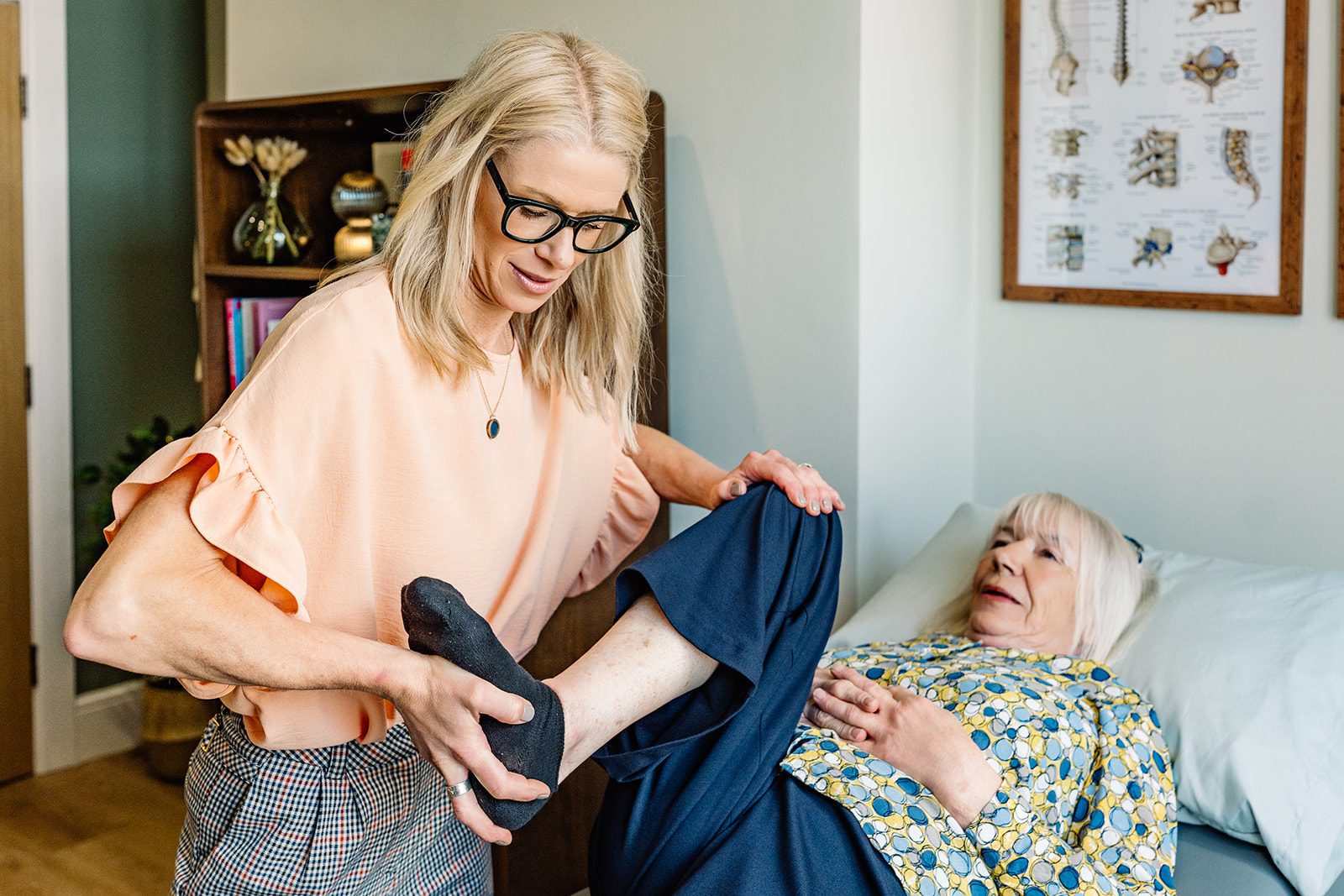
Musculoskeletal physiotherapy focuses on conditions affecting muscles, joints, and movement. This includes both new injuries and longer-standing chronic issues that may be limiting daily life or activity.
What can musculoskeletal physiotherapy help with?
-
-
- Neck and back pain (acute or persistent)
- Sciatica and nerve-related pain
- Shoulder pain and stiffness (including rotator cuff and frozen shoulder)
- Elbow, wrist and hand pain
- Hip and groin pain
- Pelvic or sacroiliac joint pain
- Knee pain (including ligament, meniscal and patellofemoral pain)
- Ankle and foot pain (including plantar heel pain)
- Muscle strains and tendon pain
- Sports and exercise-related injuries
- Workstation, posture or repetitive strain-related
- Persistent or recurring pain
-
Your appointment
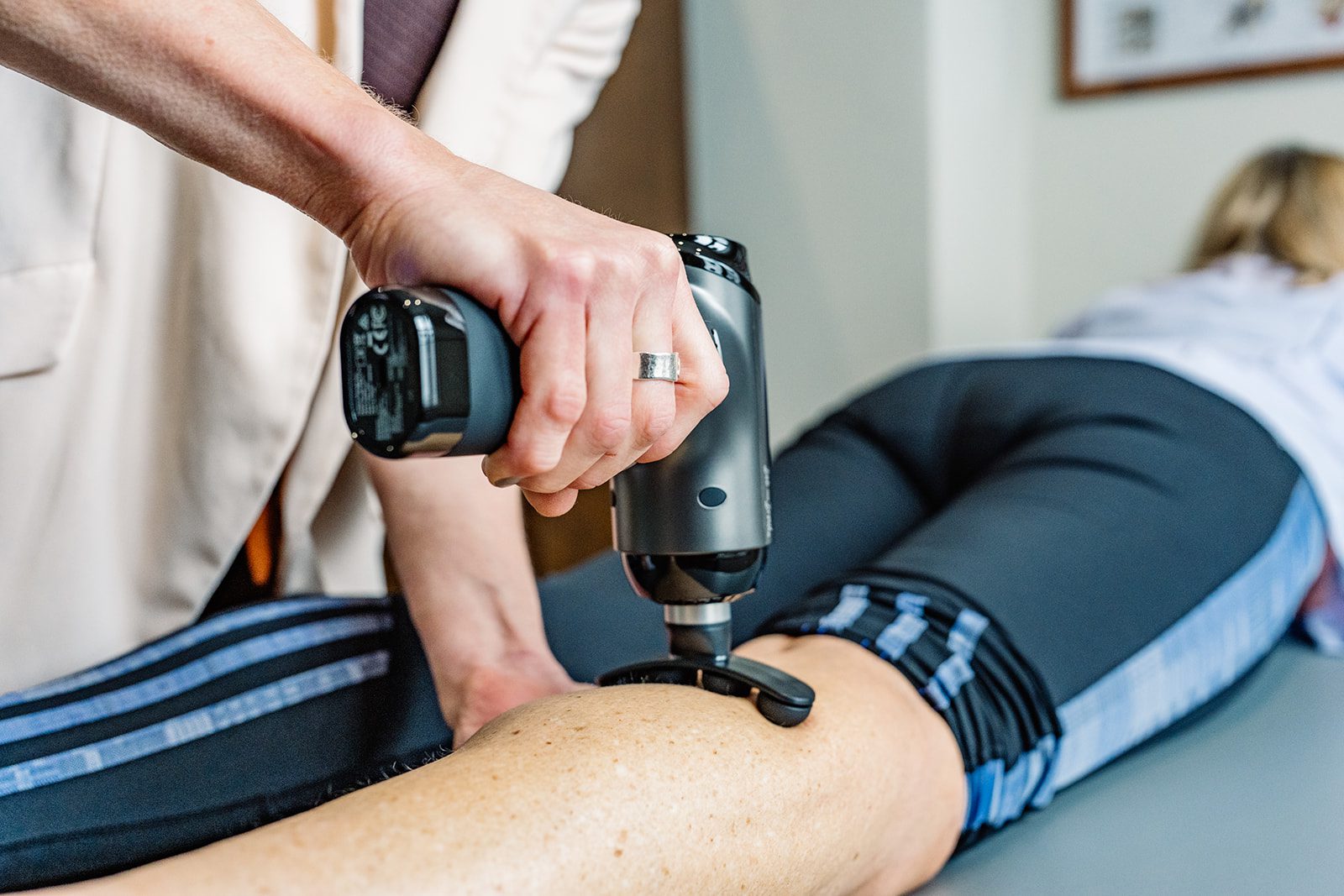
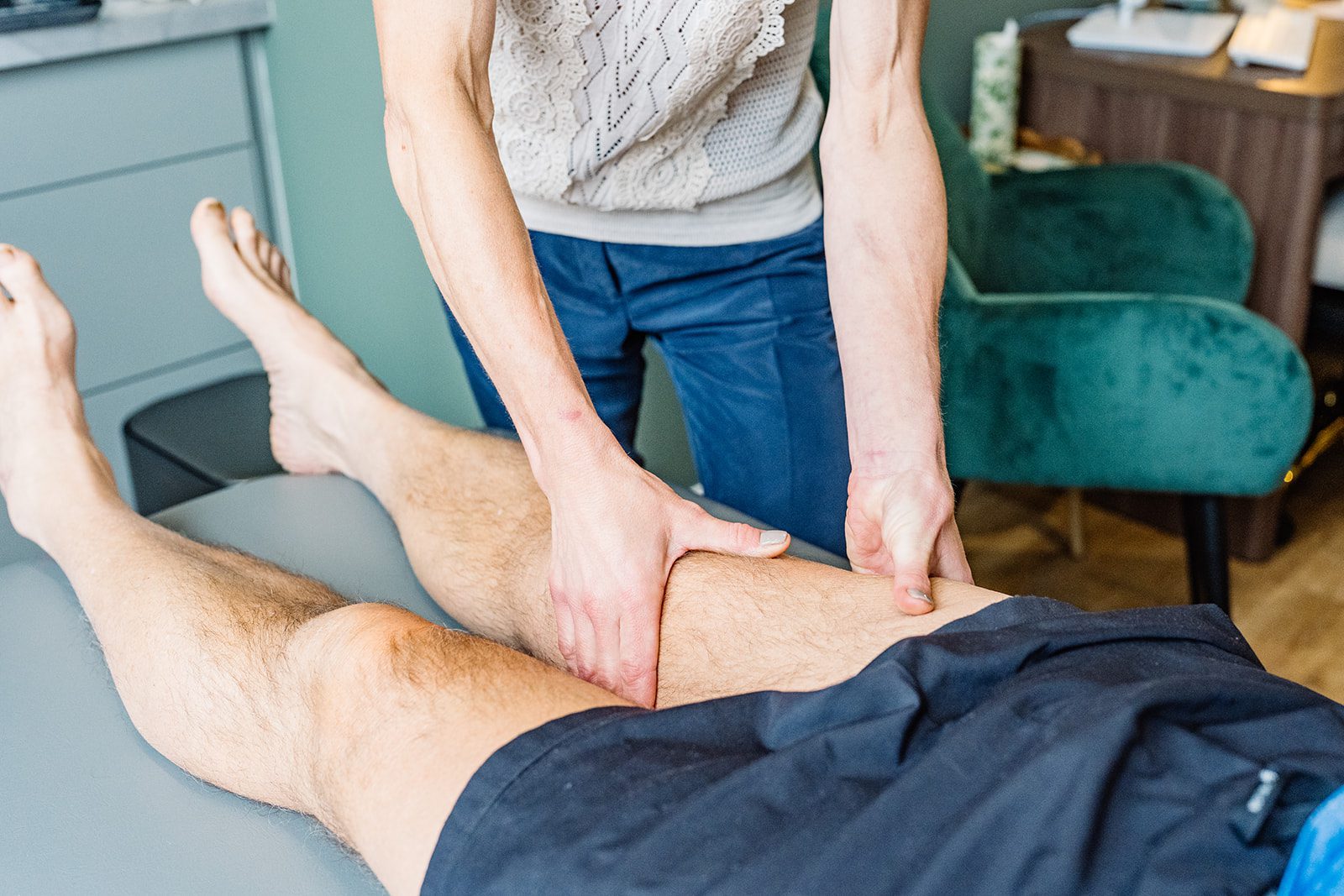
Each session includes assessment, hands-on treatment where appropriate, exercise guidance, and education to support recovery and reduce recurrence.
Appointment length & quality of care
For musculoskeletal follow-up appointments, I don't reduce the duration of the session and work only with 60 minute appointments. This allows enough time for a full review, hands-on treatment where appropriate, exercise progression and discussion without rushing or compromising the quality of your care.